(HealthDay News) -- Psychologists estimate that hundreds, even thousands, of people directly affected by the events of Sept. 11, 2001, are still crippled by post-traumatic stress disorder.
Could a virtual-reality "revisiting" of that horrific day actually help them?
New York City psychiatrist Judith Cukor believes that it can.
"We are getting tons of calls for 9/11-related post-traumatic stress disorder -- it's five years out, and we are still seeing people who have never had treatment," said Cukor, an instructor in the department of psychiatry at NewYork-Presbyterian Hospital/Weill Cornell Medical Center. "A lot of people have had traditional treatment, too, but it's not helping."
Cukor is supervising a unique clinical trial that uses high-tech virtual reality to help fight the more stubborn cases of 9/11-linked post-traumatic stress disorder, or PTSD. "We're seeing very positive results here, in terms of people finally getting better," she said.
For people who suffer from the emotional numbness, terrifying flashbacks, nightmares and avoidance behaviors of PTSD, "exposure therapy" remains the gold-standard treatment. The therapy involves patients being asked to imagine in detail the past event that caused them such pain.
It sounds counterintuitive, but this type of controlled re-exposure "allows your brain to metabolize it, break it down and deal with it," Cukor explained. "At the end of the treatment, people's memories are still sad and difficult, but they are not taking over their lives."
In many cases, however, simply imagining the scene isn't enough.
"Sometimes people aren't able to engage when they close their eyes -- they are still avoiding," explained Cukor, an instructor in the department of psychiatry at Weill Cornell. "That's where virtual reality comes in."
The new project at Weill Cornell uses state-of-the-art, multi-sensory technology to create a "virtual reality 9/11" that helps PTSD patients break through that avoidance "wall" and find the path to healing. During a typical session, patients stand in place, wearing the type of video-equipped helmet usually associated with high-end video games.
Except this is no game. Instead, the programmers who designed this "virtual 9/11" listened carefully to eyewitness accounts and recreated that day onscreen in fine detail. Patients see and hear the first notes of alarm from inside the offices of the Twin Towers. They frantically search for an exit. They make the nerve-wracking descent down long, claustrophobic stairwells and finally emerge into the ensuing chaos on the ground.
The technology works so that the participant scans their virtual environment in 3-D, with the scene changing perspective as they move or tilt their head. At key moments -- such as when a plane hits one of the Towers -- the platform upon which the user is standing can be made to rumble and shake, much like the buildings' floors did on that fateful day. As patients recount their memories aloud, the clinician -- who is sitting next to them -- manipulates the program to add in sights or sounds to better match what the patient is recalling.
"We recently got a smell machine, too, so soon, odors -- such as smoke or other smells they have talked about -- will waft out," Cukor said. "We really try and engage all the senses, because we know that the more engaged you are, the better it works."
Early trials suggest the device does work, even better than standard "imagining"-based therapy. For example, in a Weill Cornell study that used an earlier version of the virtual 9/11 technology -- one that showed the World Trade Center from the outside only -- five of eight patients who had not responded to prior therapy achieved full resolution of their PTSD. That study was published earlier this year in Annals of the New York Academy of Sciences.
Hunter Hoffman is a research scientist at the University of Washington, Seattle, and one of America's leading experts on the use of virtual reality to ease mental and physical pain. He first used virtual "worlds" a few years ago to help patients overcome a variety of phobias. Hoffman explained that the treatment of phobia and PTSD -- both of which are anxiety disorders -- relies on the same principle.
"We know that getting emotionally aroused and then processing those emotions is the key to treatment," he said. "This therapy involves having them remember the traumatic experience, but in a place of safety where they do not feel they are going to die or be harmed. Gradually, this diminishes the impact."
Weill Cornell's Dr. JoAnn Difede contacted Hoffman soon after 9/11, after she had heard about his pioneering work with phobias.
"We capitalized on that work and thought, 'Wouldn't this be good for PTSD?' " said Difede, who is associate professor of psychology in psychiatry at the college. "There were thousands of people affected by the World Trade Center disaster, and not everyone was being helped by the standard of care."
She and Hoffman developed that first prototype, and the work has since graduated to the much more interactive model Cukor is using in the new trial.
Cukor stressed that therapy occurs in a gradual fashion, with patients first viewing relatively innocuous scenes before they move on to more graphic depictions. "There's that element of control -- we're only doing what the patient wants to do," she said.
The new trial also has a second component that adds another element to the mix.
"We're trying the concurrent use of low doses of an old tuberculosis drug, called D-cycloserine (DCS). It's been shown in animal studies to enhance learning," Cukor said. The hope is that taking a small amount of the harmless drug just before a virtual-reality session will "imprint" the impact of the treatment, speeding PTSD recovery.
In prior trials in which researchers used DCS to help with phobia treatment, "they were able to do in two sessions what they used to do in six," Cukor explained.
So far, the researchers have noted dramatic outcomes for PTSD patients using the "virtual 9/11" approach.
Hoffman, who is not involved in the current studies, said he vividly remembers one of the first patients who was treated using the original virtual 9/11 prototype. The patient, a 26-year-old financial executive, had run from the Towers as debris and bodies rained down around her. The woman was so traumatized by what she had gone through that she emotionally shut down for months.
"One of the signs that it's going to be a really tough patient is if they are unable to become emotional during regular therapy. This woman was so affected that she just couldn't," Hoffman noted.
"I remember, though, that during our treatment, she looked up at the Towers in virtual reality and started recounting things that had happened to her. And after a few minutes, she started crying," Hoffman said.
After just six one-hour sessions, the woman no longer met the criteria for PTSD.
More information
Learn more about PTSD at the U.S. National Institute of Mental Health.
Tuesday, November 21, 2006


Bad Diet? Urine Test May Tell
(HealthDay News) -- A simple test to check potassium levels in urine may help doctors assess and improve patients' eating habits, a Canadian study finds.
Diet plays a key role in overall health, especially when it comes to risks for heart disease, stroke, and cancer risk. But there is no simple, objective and inexpensive way for family doctors to assess a patient's diet, according to the researchers.
Current methods rely on asking patients to report their eating habits on questionnaires or to record their food consumption for several or more days. These approaches are time-consuming, and patients often fail to provide accurate information.
Blood and urine tests provide alternative ways to assess a person's diet. In this study, researchers focused on urinary potassium as a potentially useful marker of a healthy diet.
They noted that foods promoted by current dietary guidelines are good sources of potassium, and evidence suggests that a diet high in potassium reduces the risk of developing a number of health problems.
The researchers collected urine samples from 220 people, ages 18 to 50, who also provided information about their eating habits over the previous year. The participants' blood pressure, heart rate, weight and height were also checked.
The study found a link between increased levels of potassium in the urine, a healthier diet, and lower weight, blood pressure and heart rate.
"These findings suggest, for the first time, that the amount of potassium in the urine is a valid, objective indicator of diet quality," researcher Dr. Andrew Mente, of the Prosserman Center for Health Research in Toronto, said in a prepared statement.
"This urinary marker is a simple, objective, universally available measure of diet quality that may aid physicians in providing effective dietary counseling. Physicians can now establish targets for therapy, monitor the effectiveness of dietary interventions over time, and provide effective dietary counseling to patients at risk because of poor food choices," Mente said.
The study was to be presented Friday at the annual meeting of the American Society of Nephrology, in San Diego.
More information
The U.S. Food and Drug Administration has more about healthier eating.
Diet plays a key role in overall health, especially when it comes to risks for heart disease, stroke, and cancer risk. But there is no simple, objective and inexpensive way for family doctors to assess a patient's diet, according to the researchers.
Current methods rely on asking patients to report their eating habits on questionnaires or to record their food consumption for several or more days. These approaches are time-consuming, and patients often fail to provide accurate information.
Blood and urine tests provide alternative ways to assess a person's diet. In this study, researchers focused on urinary potassium as a potentially useful marker of a healthy diet.
They noted that foods promoted by current dietary guidelines are good sources of potassium, and evidence suggests that a diet high in potassium reduces the risk of developing a number of health problems.
The researchers collected urine samples from 220 people, ages 18 to 50, who also provided information about their eating habits over the previous year. The participants' blood pressure, heart rate, weight and height were also checked.
The study found a link between increased levels of potassium in the urine, a healthier diet, and lower weight, blood pressure and heart rate.
"These findings suggest, for the first time, that the amount of potassium in the urine is a valid, objective indicator of diet quality," researcher Dr. Andrew Mente, of the Prosserman Center for Health Research in Toronto, said in a prepared statement.
"This urinary marker is a simple, objective, universally available measure of diet quality that may aid physicians in providing effective dietary counseling. Physicians can now establish targets for therapy, monitor the effectiveness of dietary interventions over time, and provide effective dietary counseling to patients at risk because of poor food choices," Mente said.
The study was to be presented Friday at the annual meeting of the American Society of Nephrology, in San Diego.
More information
The U.S. Food and Drug Administration has more about healthier eating.
Health Tip: Keep a Food Diary
(HealthDay News) -- A food diary may be helpful in the battle to lose weight. It can help you track what you eat for a week or even a day, and help you realize how much every little snack matters when counting calories.
Here are suggestions on what to record, courtesy of the American Academy of Family Physicians:
- Write down the portion size of every food you eat. Record the dimensions, weight, volume or count.
- List exactly which foods you ate, including any sauces or condiments used.
- Record what time you ate, where you ate, and if you ate with company. Recording these things can help monitor trends in your eating habits.
- Include what you were doing while you were eating -- watching TV, reading, etc. -- and how you felt while you were eating.
Gene Tweak Makes Cottonseed Edible
(HealthDay News) -- The cotton plant has long been an important source of clothing for humans, but it may soon provide them with high-protein nourishment, too.
U.S. scientists say they've found a way to remove a toxic compound from cottonseed that's so far prevented the high-protein seed from being eaten by people.
"The exciting finding is that we have been able to reduce gossypol -- which is a very toxic compound -- from cottonseed to a level that is considered safe for consumption," Dr. Keerti Rathore, a plant biotechnologist at the Texas Agricultural Experimental Station, said in a prepared statement.
"Very few people realize that for every pound of cotton fiber, the plant produces 1.6 pounds of seed. The world produces 44 million metric tons of cottonseed each year. Cottonseed typically contains about 22 percent protein, and it's a very high-quality protein," Rathore said.
The researchers used special technology to silence the gossypol gene in the cottonseed but not in the rest of the plant. This is important because gossypol helps protect the cotton plant against insects and disease.
A few decades ago, U.S. scientists developed cotton plants that contained no gossypol, but they failed because they were vulnerable to disease and insects.
The study was published Monday in the journal Proceedings of the National Academy of Sciences.
More information
The American Medical Association has information about malnutrition in children.
U.S. scientists say they've found a way to remove a toxic compound from cottonseed that's so far prevented the high-protein seed from being eaten by people.
"The exciting finding is that we have been able to reduce gossypol -- which is a very toxic compound -- from cottonseed to a level that is considered safe for consumption," Dr. Keerti Rathore, a plant biotechnologist at the Texas Agricultural Experimental Station, said in a prepared statement.
"Very few people realize that for every pound of cotton fiber, the plant produces 1.6 pounds of seed. The world produces 44 million metric tons of cottonseed each year. Cottonseed typically contains about 22 percent protein, and it's a very high-quality protein," Rathore said.
The researchers used special technology to silence the gossypol gene in the cottonseed but not in the rest of the plant. This is important because gossypol helps protect the cotton plant against insects and disease.
A few decades ago, U.S. scientists developed cotton plants that contained no gossypol, but they failed because they were vulnerable to disease and insects.
The study was published Monday in the journal Proceedings of the National Academy of Sciences.
More information
The American Medical Association has information about malnutrition in children.
Tuesday, November 14, 2006
Low-Carb Diet Can Be Heart-Healthy
(HealthDay News) -- A low-carbohydrate diet does not increase the risk of heart disease in women, a major new study finds.
However, while the regimen skimped on bread and other carbohydrate foods, it was not the fatty Atkins diet that most people associate with the term "low-carb diet."
In a 20-year study involving over 82,000 women, the incidence of coronary heart disease was roughly equal for women who ate low- and high-carbohydrate diets, researchers reported in the Nov. 9 New England Journal of Medicine.
Heart risk was also 30 percent lower for participants who got their protein and fat from vegetables rather than from meat, they noted.
The Atkins diet, which became popular after its introduction in the 1970s, allows for unlimited intake of animal fat.
"I feel the take-home message of the investigation is that neither the low-fat or low-carbohydrate dietary pattern is ideal," said researcher Thomas L. Halton, who led the study while a doctoral student at the Harvard School of Public Health. "Both have strengths and weaknesses. However, you can get the best features of both diets and eliminate the negative features of both diets by choosing healthy vegetable sources of fat and protein."
The real goal is "taking steps to reduce the glycemic load of the diet by substituting lower glycemic fruits, vegetables and whole grains as well as vegetable sources of fat and protein for refined, high-glycemic carbohydrates," said Halton, who now teaches part-time at Simmons College in Boston
In the study, researchers tracked the health of more than 82,802 women in the Nurses Health study followed for 20 years, looking especially at the incidence of coronary heart disease. The women filled out questionnaires on their eating habits, and this information was used to calculate their percentage of energy intake from carbohydrate, fat and protein.
"The main message I walked away with is that a diet rich in vegetable protein and vegetable fat appears to have a benefit in lowering heart disease risk," said Susan Moores, a nutritional consultant in St. Paul, Minn., and a spokeswoman for the American Dietetic Association.
The women in the study reported "not what people think of as a low-carbohydrate diet, more of a moderate-carbohydrate diet," Moores said. "When you look at the amount of carbohydrates in the diets of women reporting the lowest levels, they were not eating a low-carbohydrate diet like the Atkins diet."
It's difficult to make specific recommendations based on the study because "there are so many qualifiers and questions about the diets the women actually ate," she said. "And it is hard to draw the conclusion that an Atkins-type diet affects the risk of heart disease."
But it was satisfying to see the benefits of eating plant-based fats and proteins laid out in the report, Moores said. "We have talked about it for years, and it is so nice to see it validated for a large group of women,"
More information
Find out more about healthy eating at the American Dietetic Association.
However, while the regimen skimped on bread and other carbohydrate foods, it was not the fatty Atkins diet that most people associate with the term "low-carb diet."
In a 20-year study involving over 82,000 women, the incidence of coronary heart disease was roughly equal for women who ate low- and high-carbohydrate diets, researchers reported in the Nov. 9 New England Journal of Medicine.
Heart risk was also 30 percent lower for participants who got their protein and fat from vegetables rather than from meat, they noted.
The Atkins diet, which became popular after its introduction in the 1970s, allows for unlimited intake of animal fat.
"I feel the take-home message of the investigation is that neither the low-fat or low-carbohydrate dietary pattern is ideal," said researcher Thomas L. Halton, who led the study while a doctoral student at the Harvard School of Public Health. "Both have strengths and weaknesses. However, you can get the best features of both diets and eliminate the negative features of both diets by choosing healthy vegetable sources of fat and protein."
The real goal is "taking steps to reduce the glycemic load of the diet by substituting lower glycemic fruits, vegetables and whole grains as well as vegetable sources of fat and protein for refined, high-glycemic carbohydrates," said Halton, who now teaches part-time at Simmons College in Boston
In the study, researchers tracked the health of more than 82,802 women in the Nurses Health study followed for 20 years, looking especially at the incidence of coronary heart disease. The women filled out questionnaires on their eating habits, and this information was used to calculate their percentage of energy intake from carbohydrate, fat and protein.
"The main message I walked away with is that a diet rich in vegetable protein and vegetable fat appears to have a benefit in lowering heart disease risk," said Susan Moores, a nutritional consultant in St. Paul, Minn., and a spokeswoman for the American Dietetic Association.
The women in the study reported "not what people think of as a low-carbohydrate diet, more of a moderate-carbohydrate diet," Moores said. "When you look at the amount of carbohydrates in the diets of women reporting the lowest levels, they were not eating a low-carbohydrate diet like the Atkins diet."
It's difficult to make specific recommendations based on the study because "there are so many qualifiers and questions about the diets the women actually ate," she said. "And it is hard to draw the conclusion that an Atkins-type diet affects the risk of heart disease."
But it was satisfying to see the benefits of eating plant-based fats and proteins laid out in the report, Moores said. "We have talked about it for years, and it is so nice to see it validated for a large group of women,"
More information
Find out more about healthy eating at the American Dietetic Association.
Diabetes Drug Curbs Arterial Thickening
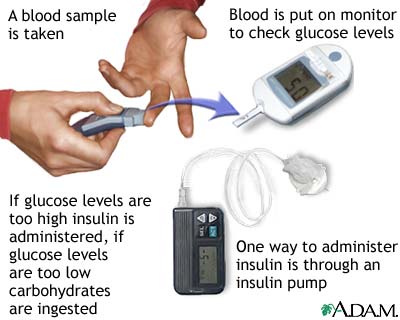 (HealthDay News) -- A widely used diabetes drug may also slow the thickening of artery walls, a process which can lead to trouble later in life.
The drug, Actos (generic name pioglitazone), is currently prescribed to improve the body's sensitivity to insulin.
The study, which will appear in the Dec. 6 issue of the Journal of the American Medical Association, was released Monday to coincide with a presentation at the annual meeting of the American Heart Association, in Chicago.
People with diabetes have a higher risk of heart attacks. The risk can be reduced somewhat by controlling blood pressure and LDL ("bad") cholesterol, but experts say more intervention is needed.
"The importance of our study rests on the relationship between diabetes and heart attack and stroke," said Dr. Theodore Mazzone, of the University of Illinois at Chicago College of Medicine, at a Monday news conference. "Patients with diabetes have a two-to-four-fold increased risk and usually have a worse prognosis after a heart attack or stroke."
The study was funded by Takeda Pharmaceuticals, the maker of Actos.
Diabetes is also becoming more common in the United States, with one of every three people born now predicted to develop the disease during their lifetime.
For this study, 462 adults with type 2 diabetes in the greater Chicago area were randomly assigned to receive a daily dose of Actos or Amaryl (glimepiride) for 72 weeks.
Amaryl also lowers blood sugar but works by a different mechanism than Actos.
At the end of the treatment period, the carotid artery intima-media (CIMT) thickness -- a measure of the thickness of the middle layers of the carotid arteries -- increased by an average of .012 millimeters in participants taking glimepiride and decreased by .001 millimeters in those taking pioglitazone.
"The CIMT is one of the layers that becomes thickened in the earliest stages of atherosclerosis, and many past studies have shown that the thicker your CIMT, the higher your rate of heart attack and stroke in the next 5 to 10 years," said Mazzone. "The faster this layer thickens, the higher the risk of heart attack and stroke over the next 5 to 10 years."
In essence, the study found that Actos was more beneficial than Amaryl in reducing CIMT.
"It means that pioglitazone could be part of a novel strategy for managing residual cardiovascular risk in patients with type 2 diabetes," Mazzone said.
Mazzone emphasized that CIMT thickness was a surrogate endpoint and that the results could not yet be taken to mean there would be a reduction in actual clinical events for patients.
More information
For more on diabetes and heart disease, visit the American Diabetes Association.
Implanted Heart Devices Should Be Recyled After Death, Researchers Say
(HealthDay News) -- Apparently you can take it with you -- but maybe you shouldn't.
The issue of an afterlife for implantable pacemakers and defibrillators was raised Sunday in a novel report on what happens to the devices once their owners die.
Most get buried with their owners, but they could be put to better use, researchers said at the annual meeting of the American Heart Association (AHA) in Chicago.
Morticians and patients alike would be willing to donate the pacemakers or defibrillators or return them to the manufacturer to analyze malfunction rates as long as legal guidelines are in place, the researchers found.
Implantable cardiac devices, whose use has surged in recent years, can be buried with a person but must be removed if there is a cremation because they will explode, the researchers pointed out at a Sunday news conference.
For their study, they interviewed 100 morticians and 150 heart patients.
"We asked questions primarily about what they [the patients] would want done with the pacemaker or defibrillator after death, and if they would be willing to sign a 'device living will,'" said study author Dr. James Kirkpatrick, of the University of Chicago.
Eighty-two percent of the patients said they would be willing to have the device analyzed noninvasively, 79 percent said they would be willing to have it removed upon their death and returned to the manufacturer, and 72 percent were willing to sign a "device living will."
Of those willing to sign a living will, 91 percent said they were willing to donate their device to a medically underserved nation.
In querying the morticians, the researchers reported that 44 percent of them said they threw the devices away as medical waste after death, 18 percent donated them for human use in developing nations, 10 percent returned them to the next of kin, 8 percent stored them in the mortuary, 4 percent returned them to the manufacturer, 4 percent returned them to the hospital where the patient died, 3 percent donated them to veterinary schools for implantation into animals (mostly dogs), and 24 percent didn't know or had no answer on what had been done.
On the other hand, 87 percent of morticians said it would be feasible to remove a device and return it to the manufacturer.
"Pacemakers and defibrillators are not analyzed or returned to the manufacturer after a patient dies, signifying that there are probably significant barriers to following guidelines of cardiology societies," Kirkpatrick said. The Heart Rhythm Society recently issued guidelines advocating the return of devices to manufacturers.
"Device living wills appear to be an attractive option, if given the same legal weight as standard wills," Kirkpatrick continued.
"There also needs to be a comfort level in talking to the patient about dying," added Dr. Lynne Warner Stevenson, of Brigham and Women's Hospital in Boston. "It's been said that in the U.S., death is considered optional."
Stevenson was senior author of another study being presented at the meeting which found that patients greatly overestimated the ability of implantable cardiac defibrillators to prevent sudden cardiac death.
"Most expect more than 50 per 100 lives will be saved, compared to 7 or 8 per 100 predicted based on clinical trials," said co-author Dr. Garrick Stewart, cardiology fellow at Brigham and Women's Hospital. "We cannot stop reminding our patients and ourselves that heart failure remains a fatal disease, from which most deaths occur slowly."
Amongst other heart news reported at the AHA meeting Sunday, new research found that current wireless levels do not interfere with implantable devices but can interfere with emergency programming and telemetry signals, indicating that hospitals should locate services away from high-output access points.
And patients who received information and counseling on symptom management and cognitive behavioral techniques had less anxiety and depression.
Finally, a French study found a high number of deaths from heart failure, indicating that implanting defibrillators with cardiac resynchronization therapy (CRT) might help reduce the number of deaths due to heart failure.
More information
Visit the American Heart Association for more on implantable defibrillators.
The issue of an afterlife for implantable pacemakers and defibrillators was raised Sunday in a novel report on what happens to the devices once their owners die.
Most get buried with their owners, but they could be put to better use, researchers said at the annual meeting of the American Heart Association (AHA) in Chicago.
Morticians and patients alike would be willing to donate the pacemakers or defibrillators or return them to the manufacturer to analyze malfunction rates as long as legal guidelines are in place, the researchers found.
Implantable cardiac devices, whose use has surged in recent years, can be buried with a person but must be removed if there is a cremation because they will explode, the researchers pointed out at a Sunday news conference.
For their study, they interviewed 100 morticians and 150 heart patients.
"We asked questions primarily about what they [the patients] would want done with the pacemaker or defibrillator after death, and if they would be willing to sign a 'device living will,'" said study author Dr. James Kirkpatrick, of the University of Chicago.
Eighty-two percent of the patients said they would be willing to have the device analyzed noninvasively, 79 percent said they would be willing to have it removed upon their death and returned to the manufacturer, and 72 percent were willing to sign a "device living will."
Of those willing to sign a living will, 91 percent said they were willing to donate their device to a medically underserved nation.
In querying the morticians, the researchers reported that 44 percent of them said they threw the devices away as medical waste after death, 18 percent donated them for human use in developing nations, 10 percent returned them to the next of kin, 8 percent stored them in the mortuary, 4 percent returned them to the manufacturer, 4 percent returned them to the hospital where the patient died, 3 percent donated them to veterinary schools for implantation into animals (mostly dogs), and 24 percent didn't know or had no answer on what had been done.
On the other hand, 87 percent of morticians said it would be feasible to remove a device and return it to the manufacturer.
"Pacemakers and defibrillators are not analyzed or returned to the manufacturer after a patient dies, signifying that there are probably significant barriers to following guidelines of cardiology societies," Kirkpatrick said. The Heart Rhythm Society recently issued guidelines advocating the return of devices to manufacturers.
"Device living wills appear to be an attractive option, if given the same legal weight as standard wills," Kirkpatrick continued.
"There also needs to be a comfort level in talking to the patient about dying," added Dr. Lynne Warner Stevenson, of Brigham and Women's Hospital in Boston. "It's been said that in the U.S., death is considered optional."
Stevenson was senior author of another study being presented at the meeting which found that patients greatly overestimated the ability of implantable cardiac defibrillators to prevent sudden cardiac death.
"Most expect more than 50 per 100 lives will be saved, compared to 7 or 8 per 100 predicted based on clinical trials," said co-author Dr. Garrick Stewart, cardiology fellow at Brigham and Women's Hospital. "We cannot stop reminding our patients and ourselves that heart failure remains a fatal disease, from which most deaths occur slowly."
Amongst other heart news reported at the AHA meeting Sunday, new research found that current wireless levels do not interfere with implantable devices but can interfere with emergency programming and telemetry signals, indicating that hospitals should locate services away from high-output access points.
And patients who received information and counseling on symptom management and cognitive behavioral techniques had less anxiety and depression.
Finally, a French study found a high number of deaths from heart failure, indicating that implanting defibrillators with cardiac resynchronization therapy (CRT) might help reduce the number of deaths due to heart failure.
More information
Visit the American Heart Association for more on implantable defibrillators.
Drug-Coated Angioplasty Balloons Keep Arteries From Reclosing
(HealthDay News) -- Coating angioplasty balloons with a drug also used to coat stents prevents arteries from closing over again.
This raises the possibility that drug-eluting stents, or stents covered with sustained-release drugs, might not be needed, a new German study suggests.
The trial was a small one and needs to be replicated, the researchers said. The results of the study are published in the Nov. 16 issue of the New England Journal of Medicine and were released early to coincide with a presentation Monday at the American Heart Association's annual meeting, in Chicago.
Narrowing of an artery -- called stenosis -- is commonly treated with balloon angioplasty and insertion of a stent. Angioplasty is a procedure in which a balloon is used to open narrowed or blocked blood vessels. A stent is a wire, mesh tube that props open an artery.
But the procedure isn't foolproof. According to the study authors, 5 percent to 35 percent of people who receive regular, uncoated stents will still experience restenosis. The percentage is lower for people who receive coated stents.
According to an editorial in the journal, the use of drug-eluting stents has eclipsed other approaches, even though it seems that rates of restenosis even after using drug-eluting stents are higher than initially thought.
For the new study, the researchers wanted to see if using angioplasty balloon catheters coated with paclitaxel worked for the treatment of "coronary in-stent restenosis" -- re-narrowing of the artery after a stent has been implanted.
Fifty-two patients were randomly selected to receive either a drug-coated balloon catheter or an uncoated balloon catheter during coronary angioplasty.
After six months, 10 of 23 patients (43 percent) in the uncoated group experienced restenosis, compared with one of 22 patients (5 percent) in the coated group. At the end of one year, the rate of major adverse cardiac events was 31 percent in the uncoated group, compared to only 4 percent in the coated group.
The effectiveness of the drug-coated balloons was similar to results recently reported for drug-eluting stents in the treatment of in-stent restenosis.
Unlike drug-coated stents, which contain low doses of time-released drugs, drug-eluting balloons are in contact with the artery wall for about one minute and release most of the drug immediately.
Dr. Sidney Smith Jr., past president of the AHA and professor of medicine and director of the Center for Cardiovascular Science and Medicine at the University of North Carolina at Chapel Hill, called the new study results "very interesting and very promising, but with a small number of patients. We have to see if the results can be extended in randomized trials."
Smith also pointed out that the trial look at restenosis, not stenosis, meaning this was not the first time around for the participants.
More information
To learn more about angioplasty, visit the American Heart Association.
This raises the possibility that drug-eluting stents, or stents covered with sustained-release drugs, might not be needed, a new German study suggests.
The trial was a small one and needs to be replicated, the researchers said. The results of the study are published in the Nov. 16 issue of the New England Journal of Medicine and were released early to coincide with a presentation Monday at the American Heart Association's annual meeting, in Chicago.
Narrowing of an artery -- called stenosis -- is commonly treated with balloon angioplasty and insertion of a stent. Angioplasty is a procedure in which a balloon is used to open narrowed or blocked blood vessels. A stent is a wire, mesh tube that props open an artery.
But the procedure isn't foolproof. According to the study authors, 5 percent to 35 percent of people who receive regular, uncoated stents will still experience restenosis. The percentage is lower for people who receive coated stents.
According to an editorial in the journal, the use of drug-eluting stents has eclipsed other approaches, even though it seems that rates of restenosis even after using drug-eluting stents are higher than initially thought.
For the new study, the researchers wanted to see if using angioplasty balloon catheters coated with paclitaxel worked for the treatment of "coronary in-stent restenosis" -- re-narrowing of the artery after a stent has been implanted.
Fifty-two patients were randomly selected to receive either a drug-coated balloon catheter or an uncoated balloon catheter during coronary angioplasty.
After six months, 10 of 23 patients (43 percent) in the uncoated group experienced restenosis, compared with one of 22 patients (5 percent) in the coated group. At the end of one year, the rate of major adverse cardiac events was 31 percent in the uncoated group, compared to only 4 percent in the coated group.
The effectiveness of the drug-coated balloons was similar to results recently reported for drug-eluting stents in the treatment of in-stent restenosis.
Unlike drug-coated stents, which contain low doses of time-released drugs, drug-eluting balloons are in contact with the artery wall for about one minute and release most of the drug immediately.
Dr. Sidney Smith Jr., past president of the AHA and professor of medicine and director of the Center for Cardiovascular Science and Medicine at the University of North Carolina at Chapel Hill, called the new study results "very interesting and very promising, but with a small number of patients. We have to see if the results can be extended in randomized trials."
Smith also pointed out that the trial look at restenosis, not stenosis, meaning this was not the first time around for the participants.
More information
To learn more about angioplasty, visit the American Heart Association.
Thursday, November 09, 2006
Mangosteen, Noni, Goji, Xango, Thia-Go, G3 are ALL Acidic and Detrimental to Health
Mangosteen, Noni, Goji, Xango, Thai-Go, G3 and other fruit juices claim to provide nutritional health benefits, or do they?
I have tested all of these so-called nutritional health drinks and they are all highly acidic at a pH ranging from 2.5 to 3.0 with an ORP (oxidative reduction potential for buffering acids and providing body energy) ranging from +250 mV to +450 mV.
All of these so-called nutritional health beverages would have the same toxic acidic effects as drinking an acidic cola drink at a pH of 2.5 with an ORP at +250 mV.
Great for cleaning the corrosion off the battery cables of your car, but destructive to the digestive system and especially the delicate intestinal villi of the small intestine where blood is made.
All of these exotic, proton rich fruits and fruit drinks will pull energy from your body robbing you of needed electrons to keep your body running healthy and strong.
You are better off eating or drinking green vegetables like broccoli and other electron rich, cruciferous vegetables that contain several anti-acidic compounds that have been shown to provide protection against cancerous causing agents like nitric and lactic acid. However, there aren't any companies selling expensive broccoli juice.
Or are there? The reason that products such as Mangosteen, Xango, Goji and Noni seem more attractive is because the ingredients are "exotic" and most people just don't know much about the ingredients.
The truth is that these exotic fruits and fruit juices are generally pasturized, full of sugar, and will acidify the blood and tissues making you sick, tired and fat! Whatever little nutritional value they might claim to offer is lost in their saturation of hydrogen ions making these beverages void of any nutritional or energetic value!
Yes, there is some research on xanthones, a phytochemical found in Mangosteen, Xango, Goji, Noni, but the scientific interpretations are incorrect. The phytochemical xanthone is a potent anti-acid by itself. But, the value of the xanthones found in these exotic fruits are not sufficient enough to neutralize the high concentrations of acidic hydorgen ions, leaving these beverages highly acidic at 2.5 to 3.0 pH and deficient of any energy value at +250 mV and up.
I would suggest looking at the published research on bioflavonoids (lutein, zeaxanthin, lycopene, luctein, beta-carotene, and over 600 more of them), polyphenols (which include proanthocyandins, anthocyanidins, catechins, etc), indole-3-carbinol and sulfurophane (broccoli extract and cruciferous vegetables), iridoids (mainly found in olive fruit), not to mention all the vitamins, minerals, and antioxidants naturally found in electron rich fruits and vegetables. The list could go on and on and on.
Nearly all of these compounds are found in the nutritional supplement that are in "The Comparative Guide To Nutritional Supplements" and in our book, The pH Miracle for Weight Loss.
You could literally pull up hundreds of thousands of studies on all of these phytochemicals. Xanthones may have beneficial properties in the right concentrations but it is only one compound among thousands that have well-researched benefits.
If people think they are getting some miraculous compound, secret juice or magic formula, they are being misinformed. What they are getting is a highly acidic, enervating fruit juice that will increase the acidic state of the body and damage the delicate alkaline pH of the digestive and circulatory system.
Add mangosteen, Noni, Goji or Xango fruit or juice to your current vitamin/mineral regimen and expect short term benefits from the acidic laxative affect and long term damage to the small intestine and large intestine. Eventually the acidic damage done to the small intestine will affect the quality of the blood that will in turn affect that quality and health of every cell in the human body.
This can then lead to a serious health challenge. The nutritional health benefits of these exotic fruits are highly exaggerated and misleading.
A scientific scale called the ORAC scale was developed to measure how well foods neutalize oxidation or acids. Due to the varied antioxidants (water soluble, fat soluble, etc.) in the tablets, there really isn't an accurate way of giving a legitimate ORAC score to a nutritional supplement.
As such, the ORAC scale has little relevance to Mangosteen, Noni, Goji and Xango juice! The following offers a more detailed explanation of some disadvantages of relying on ORAC scores too heavily. In addition, there are some marked drawbacks to the ORAC score.
The disadvantages of using the ORAC score, or at least in relying too much upon it, are several, such as...
1) Despite the fact that it is sometimes touted as a "Total Antioxidative Power" score, the ORAC assay can only measure one particular type of antioxidative activity, namely the ability of antioxidants to quench or neutralize only one specific type of oxidizing free radical (aka "reactive oxygen species", or ROS) known as the peroxy (e.g., as found in peroxide) radical.
The biggest problem with this test is the peroxide radical is released by the white blood cells to buffer or neurtalize metabolic acids to help maintain the delicate pH balance of the body fluids at 7.365.
All "oxygen species" or free radicals are released by the cells, including the white blood cells to neutralize the damaging affects of metabolic acids. You see, free radicals are good guys not bad guys and are part of the body's protective system against hydrogen ions or acids.
When you drink Mangosteen, Noni Juice, Goji Juice, Xango, Thai-Co, G3, etc. you have just increased your acidic levels of hydrogen ions and the body responds by releasing free radicals to buffer the poison or acid or hydrogen ions from these exotic drinks.
In truth, the ORAC assay measures the acidity or toxicity of a food or drink, not its ability to neutralize free radicals.
2) Thus, the ORAC score when interpreted correctly offers a picture of the true antioxidant, or better said, anti-acid power of an antioxidant or mixture of antioxidants since antioxidants like xanthone works with free radicals like peroxide by quenching or buffering metabolic acids.
Other alkalizing free radical species commonly found in the body and released by the white blood cells are the superoxides, triplet oxygen, singlet oxygen, and the hydroxyl radical which protects us against acids from digestion, respiration, fermenation and degeneration.
Indeed, some highly powerful and effective antioxidants or anti-acids like sodium bicarbonate, potassium hydroxide, sodium chlorite, singlet oxygen, superoxides, triplet oxygen and peroxide would score extremely poor or low on an ORAC assay.
What does this tell us about the ORAC score?
It is being misinterrupted!
3) An excellent example of naturally occuring antioxidants or anti-acids (and in reality there are plenty more) are the carotenoid family of antioxidants which includes beta carotene, lycopene, luctien, canthaxanthxin and zeaxanthin, among others, and which are found extensively in strongly-colored fruits and vegetables.
Most carotenoids show little activity against the peroxy radical because they work together to buffer metabolic acids.
5) The ORAC score derived from the ORAC assay shows only antioxidant activity in liquids in a test tube (in vitro) rather than within complex living biological systems within the body.
The problem here is that some substances or foodstuffs may show great ORAC scores in test tube measures, but may perform poorly in the body due to poor bioavailability, and vice versa.
6) A number of incorrect or invalid ORAC scores for common fruits and vegetables are now in circulation due to faulty methods of testing or faulty interpretation and reporting, or both. Why? Because the ORAC score does not take in consideration the fermentation of sugars that turns to acid in the body.
7) The original ORAC assay method, called the B-PE method (for beta-phycoerythrin, a reagent), has been largely discredited in the scientific literature in the past few years as being inaccurate and yielding poor repeatability.
Many of the original advocates in the antioxidant field of the ORAC B-PE Assay, including Dr. Guohua Cao, a USDA research scientist) now recommend a more sophisticated ORAC assay, called the ORAC FL method, where the "FL" stands for fluorescein, a fluorescent reagent used in the test. The newer ORAC FL method yields an ORAC score ranging from 95% to about 400% (4X) of the older ORAC score, and, on average, yields a score which is about 120% to 200% of the score from the older ORAC B-PE method.
8) Unfortunately, the vast majority of ORAC assay scores to be found on the web and in the scientific literature for various foodstuffs, including fruits, vegetables, juices, and supplements, were produced using the older ORAC B-PE method.
9) Indeed, most of the ORAC scores to be found in the literature and on the Internet are from a set of ORAC scores published by the USDA in the late 1990's, all derived using the ORAC B-PE method. There has also been some confusion in interpretation of the USDA scores, with some companies and authors reporting scores for freeze-dried (concentrated) samples as scores for fresh samples, resulting in inflated scores, and with others reporting the score in units per 100 grams (or even 65 or 6 grams) rather than the standard score which is reported in ORAC units per gram.
With any of the putative "single score" "total antioxidant" assays, the older ORAC B-PE assay and the newer ORAC FL assay may offer a single score, but they hardly offer a true picture of total antioxidative or anti-acid ability.
Bottom line: stay away from all these exotic fruits and fruit drinks. They are all acidic and by drinking them you put your health and fitness at risk!
For more information visit our website at:
www.phmiracleliving.com
ph Miracle Center
I have tested all of these so-called nutritional health drinks and they are all highly acidic at a pH ranging from 2.5 to 3.0 with an ORP (oxidative reduction potential for buffering acids and providing body energy) ranging from +250 mV to +450 mV.
All of these so-called nutritional health beverages would have the same toxic acidic effects as drinking an acidic cola drink at a pH of 2.5 with an ORP at +250 mV.
Great for cleaning the corrosion off the battery cables of your car, but destructive to the digestive system and especially the delicate intestinal villi of the small intestine where blood is made.
All of these exotic, proton rich fruits and fruit drinks will pull energy from your body robbing you of needed electrons to keep your body running healthy and strong.
You are better off eating or drinking green vegetables like broccoli and other electron rich, cruciferous vegetables that contain several anti-acidic compounds that have been shown to provide protection against cancerous causing agents like nitric and lactic acid. However, there aren't any companies selling expensive broccoli juice.
Or are there? The reason that products such as Mangosteen, Xango, Goji and Noni seem more attractive is because the ingredients are "exotic" and most people just don't know much about the ingredients.
The truth is that these exotic fruits and fruit juices are generally pasturized, full of sugar, and will acidify the blood and tissues making you sick, tired and fat! Whatever little nutritional value they might claim to offer is lost in their saturation of hydrogen ions making these beverages void of any nutritional or energetic value!
Yes, there is some research on xanthones, a phytochemical found in Mangosteen, Xango, Goji, Noni, but the scientific interpretations are incorrect. The phytochemical xanthone is a potent anti-acid by itself. But, the value of the xanthones found in these exotic fruits are not sufficient enough to neutralize the high concentrations of acidic hydorgen ions, leaving these beverages highly acidic at 2.5 to 3.0 pH and deficient of any energy value at +250 mV and up.
I would suggest looking at the published research on bioflavonoids (lutein, zeaxanthin, lycopene, luctein, beta-carotene, and over 600 more of them), polyphenols (which include proanthocyandins, anthocyanidins, catechins, etc), indole-3-carbinol and sulfurophane (broccoli extract and cruciferous vegetables), iridoids (mainly found in olive fruit), not to mention all the vitamins, minerals, and antioxidants naturally found in electron rich fruits and vegetables. The list could go on and on and on.
Nearly all of these compounds are found in the nutritional supplement that are in "The Comparative Guide To Nutritional Supplements" and in our book, The pH Miracle for Weight Loss.
You could literally pull up hundreds of thousands of studies on all of these phytochemicals. Xanthones may have beneficial properties in the right concentrations but it is only one compound among thousands that have well-researched benefits.
If people think they are getting some miraculous compound, secret juice or magic formula, they are being misinformed. What they are getting is a highly acidic, enervating fruit juice that will increase the acidic state of the body and damage the delicate alkaline pH of the digestive and circulatory system.
Add mangosteen, Noni, Goji or Xango fruit or juice to your current vitamin/mineral regimen and expect short term benefits from the acidic laxative affect and long term damage to the small intestine and large intestine. Eventually the acidic damage done to the small intestine will affect the quality of the blood that will in turn affect that quality and health of every cell in the human body.
This can then lead to a serious health challenge. The nutritional health benefits of these exotic fruits are highly exaggerated and misleading.
A scientific scale called the ORAC scale was developed to measure how well foods neutalize oxidation or acids. Due to the varied antioxidants (water soluble, fat soluble, etc.) in the tablets, there really isn't an accurate way of giving a legitimate ORAC score to a nutritional supplement.
As such, the ORAC scale has little relevance to Mangosteen, Noni, Goji and Xango juice! The following offers a more detailed explanation of some disadvantages of relying on ORAC scores too heavily. In addition, there are some marked drawbacks to the ORAC score.
The disadvantages of using the ORAC score, or at least in relying too much upon it, are several, such as...
1) Despite the fact that it is sometimes touted as a "Total Antioxidative Power" score, the ORAC assay can only measure one particular type of antioxidative activity, namely the ability of antioxidants to quench or neutralize only one specific type of oxidizing free radical (aka "reactive oxygen species", or ROS) known as the peroxy (e.g., as found in peroxide) radical.
The biggest problem with this test is the peroxide radical is released by the white blood cells to buffer or neurtalize metabolic acids to help maintain the delicate pH balance of the body fluids at 7.365.
All "oxygen species" or free radicals are released by the cells, including the white blood cells to neutralize the damaging affects of metabolic acids. You see, free radicals are good guys not bad guys and are part of the body's protective system against hydrogen ions or acids.
When you drink Mangosteen, Noni Juice, Goji Juice, Xango, Thai-Co, G3, etc. you have just increased your acidic levels of hydrogen ions and the body responds by releasing free radicals to buffer the poison or acid or hydrogen ions from these exotic drinks.
In truth, the ORAC assay measures the acidity or toxicity of a food or drink, not its ability to neutralize free radicals.
2) Thus, the ORAC score when interpreted correctly offers a picture of the true antioxidant, or better said, anti-acid power of an antioxidant or mixture of antioxidants since antioxidants like xanthone works with free radicals like peroxide by quenching or buffering metabolic acids.
Other alkalizing free radical species commonly found in the body and released by the white blood cells are the superoxides, triplet oxygen, singlet oxygen, and the hydroxyl radical which protects us against acids from digestion, respiration, fermenation and degeneration.
Indeed, some highly powerful and effective antioxidants or anti-acids like sodium bicarbonate, potassium hydroxide, sodium chlorite, singlet oxygen, superoxides, triplet oxygen and peroxide would score extremely poor or low on an ORAC assay.
What does this tell us about the ORAC score?
It is being misinterrupted!
3) An excellent example of naturally occuring antioxidants or anti-acids (and in reality there are plenty more) are the carotenoid family of antioxidants which includes beta carotene, lycopene, luctien, canthaxanthxin and zeaxanthin, among others, and which are found extensively in strongly-colored fruits and vegetables.
Most carotenoids show little activity against the peroxy radical because they work together to buffer metabolic acids.
5) The ORAC score derived from the ORAC assay shows only antioxidant activity in liquids in a test tube (in vitro) rather than within complex living biological systems within the body.
The problem here is that some substances or foodstuffs may show great ORAC scores in test tube measures, but may perform poorly in the body due to poor bioavailability, and vice versa.
6) A number of incorrect or invalid ORAC scores for common fruits and vegetables are now in circulation due to faulty methods of testing or faulty interpretation and reporting, or both. Why? Because the ORAC score does not take in consideration the fermentation of sugars that turns to acid in the body.
7) The original ORAC assay method, called the B-PE method (for beta-phycoerythrin, a reagent), has been largely discredited in the scientific literature in the past few years as being inaccurate and yielding poor repeatability.
Many of the original advocates in the antioxidant field of the ORAC B-PE Assay, including Dr. Guohua Cao, a USDA research scientist) now recommend a more sophisticated ORAC assay, called the ORAC FL method, where the "FL" stands for fluorescein, a fluorescent reagent used in the test. The newer ORAC FL method yields an ORAC score ranging from 95% to about 400% (4X) of the older ORAC score, and, on average, yields a score which is about 120% to 200% of the score from the older ORAC B-PE method.
8) Unfortunately, the vast majority of ORAC assay scores to be found on the web and in the scientific literature for various foodstuffs, including fruits, vegetables, juices, and supplements, were produced using the older ORAC B-PE method.
9) Indeed, most of the ORAC scores to be found in the literature and on the Internet are from a set of ORAC scores published by the USDA in the late 1990's, all derived using the ORAC B-PE method. There has also been some confusion in interpretation of the USDA scores, with some companies and authors reporting scores for freeze-dried (concentrated) samples as scores for fresh samples, resulting in inflated scores, and with others reporting the score in units per 100 grams (or even 65 or 6 grams) rather than the standard score which is reported in ORAC units per gram.
With any of the putative "single score" "total antioxidant" assays, the older ORAC B-PE assay and the newer ORAC FL assay may offer a single score, but they hardly offer a true picture of total antioxidative or anti-acid ability.
Bottom line: stay away from all these exotic fruits and fruit drinks. They are all acidic and by drinking them you put your health and fitness at risk!
For more information visit our website at:
www.phmiracleliving.com
ph Miracle Center
Friday, November 03, 2006
Osteoporosis: Depression can Lead to Fractures
 The researchers say their findings constitute a significant step forward in understanding the interaction between the mind and the skeletal system. Based on their findings, the researchers have already been able to demonstrate the efficacy of anti-depressant drugs in preventing bone mass loss.
In order to examine the connection between depression and bone mass loss, the researchers used a model involving laboratory mice. Following the induction of a depression-like condition, the mice developed behavioural symptoms mirroring those seen in depressed humans, including a reduction in pleasurable activity and in social interaction.
After four weeks in a depressed state, the laboratory animals showed a dramatic bone mass loss, including in the hip bone and vertebrae. This loss was caused by impairment in the bone renewal process, which is essential to maintaining normal bone density. This impairment was caused by a reduction in the number of bone-building cells, which are called osteoblasts.
The laboratory tests showed that chronic use of an anti-depressant drug halted not only the depression itself but also the loss of bone density.
The researchers were also able to describe the process connecting depression to the skeletal structure. They found that depression sets off a neural system connecting the brain to the internal organs, including the skeleton. This system is called the “sympathetic nervous system.” Its activation causes the secretion within the bone of a chemical compound called noradrenaline, which has a detrimental effect on the bone-building cells. The researchers were able to show that chronic treatment with a drug that blocks noradrenaline in the bone also blocks the detrimental influence of depression on the bone.
Source: The Hebrew University of Jerusalem
more information: Osteoporosis
Subscribe to:
Posts (Atom)

