Are Cats a Threat to Pregnancy?
Provided by: DrWeil.com
Q: I've just learned that I'm pregnant. My husband says that we should get rid of our two cats because they could endanger my pregnancy. I suspect this is an old wives tale. Is there anything to worry about? -- Jill M.
A: I don't think you have to get rid of your cats, but you do have to be careful. There is a small chance that contact with their litter pan could lead to an infection that would threaten your pregnancy. The infection, toxoplasmosis, can be passed to humans via cat feces. The parasites that causes the infection is carried by many cats and passed in their stool.
Cats pick up the parasite from uncooked meat, and small animals they may kill and eat outdoors. If you have an indoor cat, the likelihood for infection is smaller. The infection doesn't make cats sick so you wouldn't know if your pet was carrying it. Getting toxoplasmosis while pregnant could lead to a spontaneous abortion or miscarriage or can cause blindness, hearing loss, or mental retardation in your baby.
While this danger is real, it is remote. According to the U.S. Centers for Disease Control and Prevention (CDC), humans are more likely to contract toxoplasmosis from eating undercooked meat or from gardening than they are from contact with a cat. (You can also pick up the parasite from unwashed fruits and vegetables.)
Adults infected with toxoplasmosis rarely get sick. If you've been infected in the past, you're probably immune and cannot pass the infection on to your baby. Approximately one-third of women in the United States are immune; the likelihood of immunity is highest among women who have owned cats for a long time. A blood test can tell you whether you've been exposed to toxoplasmosis in the past.
Even if you're not immune, you can reduce your risk, by following the tips below from the CDC:
Have someone else change your cat's litter box while you're pregnant. (It is best to disinfect the pan with boiling water for five minutes before refilling it with litter.) If no one else is available, wear rubber gloves while changing the litter, and be sure to wash your hands thoroughly with soap and running water afterwards.
If possible, have the litter changed daily. This will reduce the risk.
Keep your cat indoors.
Don't handle or adopt stray cats, and don't bring a new cat that might have been an outdoor cat into your house.
Feed your cat only canned or dry food, not undercooked meat.
Wear gloves when gardening, and wash your hands carefully after contact with soil or sand where cat waste may have been deposited.
Andrew Weil, MD
Saturday, May 27, 2006


Wary of Carbon Monoxide?
Wary of Carbon Monoxide?
Provided by: DrWeil.com
Q: Recently I was exposed to carbon monoxide due to my furnace being cracked. I had a lot of medical issues long before I installed a detector, which, by the way, saved my life. Can there be long term affects from the exposure? -- Rick V.
A: Carbon monoxide (CO) poisoning is very dangerous. Each year an estimated 500 people in the United States die and thousands require medical treatment as a result of accidental exposure. (Another 2,000 people die after deliberately breathing it in.) Carbon monoxide is an odorless, colorless gas found in the fumes produced by cars, trucks, stoves, heating systems, gas ranges, lanterns, burning charcoal, and burning wood. If carbon monoxide from these sources builds up in an enclosed space, people and pets can be poisoned. The most common symptoms are headache, dizziness, weakness, nausea, vomiting, chest pain and confusion; all of which can be linked to other health problems and may not be correctly diagnosed if you're unaware that you've been exposed to carbon monoxide. Symptoms can easily be mistaken for those of flu, gastroenteritis or psychiatric disorders. If you're asleep and carbon monoxide builds up in your home, you could easily die, since increasing levels of it in the blood lead to coma, seizures and respiratory failure.
You're fortunate that you installed a carbon monoxide detector that alerted you to the gas in your home. These inexpensive devices can warn of danger before symptoms develop. Once exposed, correct treatment requires aggressive use of oxygen therapy, even using hyperbaric oxygen when necessary. Recovery can be slow if treatment is not instituted promptly. In severe poisonings, long-term psychiatric and neurological problems occur in about 10 percent of survivors. Memory impairment can occur in up to 40 percent. The most common personality change is emotional instability (mood swings). Resolution of neurologic symptoms, when they occur, can take up to two years.
In addition to installing detectors, the best way to avoid carbon monoxide poisoning is by taking the following preventive measures:
Make sure all fuel-burning appliances in your home are properly installed, maintained and operated.
Make sure furnaces, water heaters and gas dryers are inspected annually by a qualified technician.
Have fireplace chimneys and flues checked and cleaned annually.
Use non-vented fuel-burning space heaters only while someone is awake to monitor them. Doors or windows should be open to provide fresh air when using these devices.
Have automobile exhaust systems inspected routinely for defects.
Check automobile tailpipes routinely for blockage by snow during the winter.
For more information on protecting yourself against carbon monoxide poisoning visit the Center for Disease Control's National Center for Environmental Health.
Andrew Weil, MD
Provided by: DrWeil.com
Q: Recently I was exposed to carbon monoxide due to my furnace being cracked. I had a lot of medical issues long before I installed a detector, which, by the way, saved my life. Can there be long term affects from the exposure? -- Rick V.
A: Carbon monoxide (CO) poisoning is very dangerous. Each year an estimated 500 people in the United States die and thousands require medical treatment as a result of accidental exposure. (Another 2,000 people die after deliberately breathing it in.) Carbon monoxide is an odorless, colorless gas found in the fumes produced by cars, trucks, stoves, heating systems, gas ranges, lanterns, burning charcoal, and burning wood. If carbon monoxide from these sources builds up in an enclosed space, people and pets can be poisoned. The most common symptoms are headache, dizziness, weakness, nausea, vomiting, chest pain and confusion; all of which can be linked to other health problems and may not be correctly diagnosed if you're unaware that you've been exposed to carbon monoxide. Symptoms can easily be mistaken for those of flu, gastroenteritis or psychiatric disorders. If you're asleep and carbon monoxide builds up in your home, you could easily die, since increasing levels of it in the blood lead to coma, seizures and respiratory failure.
You're fortunate that you installed a carbon monoxide detector that alerted you to the gas in your home. These inexpensive devices can warn of danger before symptoms develop. Once exposed, correct treatment requires aggressive use of oxygen therapy, even using hyperbaric oxygen when necessary. Recovery can be slow if treatment is not instituted promptly. In severe poisonings, long-term psychiatric and neurological problems occur in about 10 percent of survivors. Memory impairment can occur in up to 40 percent. The most common personality change is emotional instability (mood swings). Resolution of neurologic symptoms, when they occur, can take up to two years.
In addition to installing detectors, the best way to avoid carbon monoxide poisoning is by taking the following preventive measures:
Make sure all fuel-burning appliances in your home are properly installed, maintained and operated.
Make sure furnaces, water heaters and gas dryers are inspected annually by a qualified technician.
Have fireplace chimneys and flues checked and cleaned annually.
Use non-vented fuel-burning space heaters only while someone is awake to monitor them. Doors or windows should be open to provide fresh air when using these devices.
Have automobile exhaust systems inspected routinely for defects.
Check automobile tailpipes routinely for blockage by snow during the winter.
For more information on protecting yourself against carbon monoxide poisoning visit the Center for Disease Control's National Center for Environmental Health.
Andrew Weil, MD
Friday, May 26, 2006
Worried about White Spots on Fingernails?
 Worried about White Spots on Fingernails?
Provided by: DrWeil.com
Q: I sometimes get white spots on my fingernails. I've been told that they're a sign of a calcium deficiency, but I get plenty of calcium from my diet, and I do take a supplement every day. What causes the spots? -- Margot H.
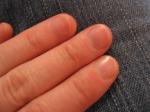
A: The spots you notice are not caused by a calcium deficiency. They're called "leukonychia" and are very common. Most of the time the white spots simply are a sign of some past injury to the matrix (base) of your nails. By the time the white spot shows up (about six weeks after the injury) you've probably forgotten all about banging or knocking your fingers. Sometimes, the injury can stem from a manicure that put excessive pressure on the base of the nails. The spots also can be a sign of an allergic reaction to nail polish or nail hardeners and, sometimes, are a symptom of a mild infection.
Whatever the cause, the spots are temporary and will grow out as your nails grow. However, it can take more than eight months for nails to grow out completely so the spots may be around for a while.
Sometimes, a change in the appearance of your nails does indicate an underlying disease, but these changes would be more dramatic than just the occasional white spot. Nails that turn completely white, for example, can indicate liver disease, but by the time this happens, you probably would have other symptoms.
Incidentally, in addition to the myth that white spots on the nails are a sign of calcium deficiency, you may also have heard that they indicate a zinc deficiency. That isn't true either. Neither is the well known but bizarre notion that the spots are due to eating too much Hellmann's mayonnaise (I'm not making this up).
Andrew Weil, MD
Morning Headache?
 Morning Headache?
Provided by: DrWeil.com
Q: What would cause me to have headaches everyday? I wake up almost every morning with a headache, sometimes feeling a little dizzy throughout the day. Do you have any advice or suggestions? -- Chris Padilla
A: A number of factors can cause daily headaches, but the first one I suggest you explore is your blood pressure. I would recommend getting a general medical checkup with special attention to your blood pressure, but also to rule out any other condition that might be associated with your headaches. If you snore, be sure to tell the doctor, because morning headaches have been associated with snoring and sleep apnea.
Treatment may mean weight loss or use of a Continuous Positive Airway Pressure (CPAP) device worn at night to prevent interruptions in breathing during sleep.
If you get a clean bill of health, you may be suffering from chronic tension or migraine headaches. You're not alone. About four percent of the population has chronic daily headaches, as do 40 to 60 percent of patients seeking treatment from headache centers. In most cases, these headaches are "transformed migraines," meaning that they started out as migraines which became more frequent and more like tension headaches.
Some people who have chronic daily headaches have common tension headaches (pain that is mild to moderate, may feel like it is pressing or tightening on the head, and felt on both sides of the head). These headaches often respond well to massage therapy and stress reduction techniques such as breathing exercises and meditation. In most cases, transformed migraines are due to taking too many painkillers.
If you take pain medication (prescription or over-the-counter) for headache relief, your morning headaches may be the result of overnight "withdrawal" from the caffeine and other components commonly found in these medications.
If so, the only solution is to stop taking them. Depending on how long you've been using them, going "cold turkey" can be very difficult and can temporarily lead to even more severe headaches. For this reason, it is best to withdraw from the drugs under the supervision of a neurologist who specializes in treating headaches.
Andrew Weil, MD
Andrew Weil, MD
Do Low-Carb Diets Cause Bad Breath?
Do Low-Carb Diets Cause Bad Breath?
Provided by: DrWeil.com
Q: I've had noticeable bad breath lately. Someone told me my high-protein, low-carb diet is to blame. True? -- Fran B.
A: True. Bad breath (halitosis) is an unfortunate side effect of low-carbohydrate diets. Here's what happens: the diet causes your body to burn stored fats for fuel rather than carbohydrates. As the fat burns, chemicals called ketones build up in the body and are released through the breath and urine. Unfortunately, they're smelly.
There's not a whole lot you can do about bad breath that stems from the way you're burning fat. If you're determined to stay on the diet, you'll just have to put up with the halitosis.
Dentists say that extra brushing, flossing and tongue-scraping won't help because in this case bad breath isn't an oral hygiene issue. (The Atkins Diet Web site acknowledges that bad breath is part and parcel of the way you're eating and puts a positive spin on it, saying that it means that the diet is working.) Some dentists have speculated that the other popular low-carb diet, South Beach, may not be as problematic, since it permits more carbs than Atkins.
The best you can do to cover up the bad breath associated with low-carb diets is to drink lots of water, which will also wash away food particles that may be contributing to the problem. Chewing parsley is another way to address halitosis. Sugarless gum or mints may also help mask your breath, but I'm not a fan of the non-nutritive sweeteners they contain.
I'm also not a proponent of the Atkins diet, so I would suggest switching to another program that allows you to eat fresh fruits, a wider range of vegetables, and whole grains. This is a more realistic way to lose weight in the long-run since you're likely to get tired of low-carb living sooner or later and regain whatever weight you've lost.
If your halitosis persists after you go off your low-carb diet, see your physician. Bad breath can be a sign of diabetes, sinusitis, gastroesophageal reflux disease (GERD), and a number of other medical or dental problems.
Andrew Weil, MD
Provided by: DrWeil.com
Q: I've had noticeable bad breath lately. Someone told me my high-protein, low-carb diet is to blame. True? -- Fran B.
A: True. Bad breath (halitosis) is an unfortunate side effect of low-carbohydrate diets. Here's what happens: the diet causes your body to burn stored fats for fuel rather than carbohydrates. As the fat burns, chemicals called ketones build up in the body and are released through the breath and urine. Unfortunately, they're smelly.
There's not a whole lot you can do about bad breath that stems from the way you're burning fat. If you're determined to stay on the diet, you'll just have to put up with the halitosis.
Dentists say that extra brushing, flossing and tongue-scraping won't help because in this case bad breath isn't an oral hygiene issue. (The Atkins Diet Web site acknowledges that bad breath is part and parcel of the way you're eating and puts a positive spin on it, saying that it means that the diet is working.) Some dentists have speculated that the other popular low-carb diet, South Beach, may not be as problematic, since it permits more carbs than Atkins.
The best you can do to cover up the bad breath associated with low-carb diets is to drink lots of water, which will also wash away food particles that may be contributing to the problem. Chewing parsley is another way to address halitosis. Sugarless gum or mints may also help mask your breath, but I'm not a fan of the non-nutritive sweeteners they contain.
I'm also not a proponent of the Atkins diet, so I would suggest switching to another program that allows you to eat fresh fruits, a wider range of vegetables, and whole grains. This is a more realistic way to lose weight in the long-run since you're likely to get tired of low-carb living sooner or later and regain whatever weight you've lost.
If your halitosis persists after you go off your low-carb diet, see your physician. Bad breath can be a sign of diabetes, sinusitis, gastroesophageal reflux disease (GERD), and a number of other medical or dental problems.
Andrew Weil, MD
New Focus on Nutrition and Health?
New Focus on Nutrition and Health?
Provided by: DrWeil.com
Q: I notice that you're having another Nutrition and Health Conference. What kinds of issues are you going to be discussing this time? Is it only for medical professionals or can members of the public attend? -- Theresa
A: The 2005 Nutrition and Health Conference is scheduled for March 6-9 here in Tucson. I'm very excited about the program we've planned, which will cover a wide range of nutrition and health-related topics, both in the sessions designed for health professionals (including students) and the media and during our Public Forum on "Food, Politics and Society," which will launch the conference on Sunday, March 6 and is open to everyone.
During the forum, we'll deal with such topical issues as "The Optimal Diet" (a subject that I'll discuss), as well as "Micronutrients and the Role of Dietary Supplements" to be reviewed by Bruce Ames, Ph.D., senior scientist at Children's Hospital, Oakland Research Institute and a professor at the Graduate School in Molecular and Cell Biology at the University of California at Berkeley. Others speaking at the Public Forum include Dan Glickman, former U.S. Secretary of Agriculture, who will focus on our national agricultural policy and its effect on U.S. nutrition and Walter Willett, MD, professor of Epidemiology, Nutrition and Medicine at the Harvard School of Public Health, who will discuss obesity, diabetes and the food industry.
The sessions for health professionals will focus on such subjects as nutritional science and the Mediterranean diet, the benefits of a low glycemic-index diet, the challenge to health professionals of the growing epidemic of childhood obesity, and the latest findings on vegetarian nutrition. In separate sessions throughout the three-day conference we'll also discuss the latest research on nutrition for patients with a number of different health problems including arthritis, allergic diseases, attention deficit disorder, osteoporosis, diabetes, Alzheimer's disease as well as nutritional strategies for prevention of breast and prostate cancer and to prevent or minimize the degenerative diseases of aging.
Other sessions will cover what we know about antioxidants, low-carb and fad diets, and whether or not the way you eat really can reduce your risk of cancer. The conference is presented by the Program in Integrative Medicine here at the University of Arizona and sponsored by the Richard and Hinda Rosenthal Center for Complementary and Alternative Medicine at Columbia University's College of Physicians & Surgeons.
An integral part of the conference is the opportunity to sample various high quality organic foods, from fruits and vegetables to soy foods, teas, chocolate, and cheeses as well as learn from nutrition-minded chefs who will be demonstrating their talents. Rather than eating bagels and donuts, as they do at most medical conferences, attendees can eat well and experience how delicious healthy food can be.
You're welcome to attend the public forum, and there's still time for health professionals and the media to sign up for the conference. I expect that we'll have some important insights on nutrition and health to share on this site and elsewhere after the conference.
Andrew Weil, MD
Provided by: DrWeil.com
Q: I notice that you're having another Nutrition and Health Conference. What kinds of issues are you going to be discussing this time? Is it only for medical professionals or can members of the public attend? -- Theresa
A: The 2005 Nutrition and Health Conference is scheduled for March 6-9 here in Tucson. I'm very excited about the program we've planned, which will cover a wide range of nutrition and health-related topics, both in the sessions designed for health professionals (including students) and the media and during our Public Forum on "Food, Politics and Society," which will launch the conference on Sunday, March 6 and is open to everyone.
During the forum, we'll deal with such topical issues as "The Optimal Diet" (a subject that I'll discuss), as well as "Micronutrients and the Role of Dietary Supplements" to be reviewed by Bruce Ames, Ph.D., senior scientist at Children's Hospital, Oakland Research Institute and a professor at the Graduate School in Molecular and Cell Biology at the University of California at Berkeley. Others speaking at the Public Forum include Dan Glickman, former U.S. Secretary of Agriculture, who will focus on our national agricultural policy and its effect on U.S. nutrition and Walter Willett, MD, professor of Epidemiology, Nutrition and Medicine at the Harvard School of Public Health, who will discuss obesity, diabetes and the food industry.
The sessions for health professionals will focus on such subjects as nutritional science and the Mediterranean diet, the benefits of a low glycemic-index diet, the challenge to health professionals of the growing epidemic of childhood obesity, and the latest findings on vegetarian nutrition. In separate sessions throughout the three-day conference we'll also discuss the latest research on nutrition for patients with a number of different health problems including arthritis, allergic diseases, attention deficit disorder, osteoporosis, diabetes, Alzheimer's disease as well as nutritional strategies for prevention of breast and prostate cancer and to prevent or minimize the degenerative diseases of aging.
Other sessions will cover what we know about antioxidants, low-carb and fad diets, and whether or not the way you eat really can reduce your risk of cancer. The conference is presented by the Program in Integrative Medicine here at the University of Arizona and sponsored by the Richard and Hinda Rosenthal Center for Complementary and Alternative Medicine at Columbia University's College of Physicians & Surgeons.
An integral part of the conference is the opportunity to sample various high quality organic foods, from fruits and vegetables to soy foods, teas, chocolate, and cheeses as well as learn from nutrition-minded chefs who will be demonstrating their talents. Rather than eating bagels and donuts, as they do at most medical conferences, attendees can eat well and experience how delicious healthy food can be.
You're welcome to attend the public forum, and there's still time for health professionals and the media to sign up for the conference. I expect that we'll have some important insights on nutrition and health to share on this site and elsewhere after the conference.
Andrew Weil, MD
Arsenic in Old Wood?
Arsenic in Old Wood?
Provided by: DrWeil.com
Q: I heard that there is arsenic in wood used to build outdoor decks, that kids can get the arsenic on their hands and that the stuff is carcinogenic. Do you have any information on this? I'm very worried. -- Cyndie A: You're right. There is arsenic in lumber that has been used for years to make decks, fences, picnic tables and even some playground equipment. Technically speaking, the lumber is treated with chromium copper arsenate (CCA), a preservative used to prevent the wood from decaying. The good news is that since the beginning of this year, lumber manufacturers are no longer selling wood impregnated with CCA. But that isn't much comfort if you have young children and an old deck or old yard and porch furniture.
Although arsenic is a carcinogen, manufacturers insist that the old, treated wood is safe for people, plants and animals when used as recommended. However, advocacy groups maintain that the chemical can rub off on contact and that the lumber remains dangerous for 10 to 15 years. And a staff report to the United States Consumer Product Safety Commission concluded that children exposed to the treated wood may face an increased lifetime risk of lung or bladder cancer.
If you have a deck made with CCA-treated lumber, you can test it for arsenic by ordering test kits online for about $20. Results will tell you how much arsenic is in wood. You can then decide if you want to replace the furniture or insist that your kids wash their hands well after playing on it, especially before eating.
You can also protect your family by applying a sealant to CCA-treated wood. Pigmented deck stains provide the most protection, but you'll have to reseal frequently, as often as twice a year. If you decide to use a sealant, be sure not to sand the deck beforehand -- sanding will release arsenic-laden sawdust. Be sure to wear a protective mask! And don't pressure-wash your deck before sealing -- the high pressure water can loosen arsenic-contaminated particles and release them into the air. You can learn more about this issue through the Washington-based Environmental Working Group at www.ewg.org.
Andrew Weil, MD
Provided by: DrWeil.com
Q: I heard that there is arsenic in wood used to build outdoor decks, that kids can get the arsenic on their hands and that the stuff is carcinogenic. Do you have any information on this? I'm very worried. -- Cyndie A: You're right. There is arsenic in lumber that has been used for years to make decks, fences, picnic tables and even some playground equipment. Technically speaking, the lumber is treated with chromium copper arsenate (CCA), a preservative used to prevent the wood from decaying. The good news is that since the beginning of this year, lumber manufacturers are no longer selling wood impregnated with CCA. But that isn't much comfort if you have young children and an old deck or old yard and porch furniture.
Although arsenic is a carcinogen, manufacturers insist that the old, treated wood is safe for people, plants and animals when used as recommended. However, advocacy groups maintain that the chemical can rub off on contact and that the lumber remains dangerous for 10 to 15 years. And a staff report to the United States Consumer Product Safety Commission concluded that children exposed to the treated wood may face an increased lifetime risk of lung or bladder cancer.
If you have a deck made with CCA-treated lumber, you can test it for arsenic by ordering test kits online for about $20. Results will tell you how much arsenic is in wood. You can then decide if you want to replace the furniture or insist that your kids wash their hands well after playing on it, especially before eating.
You can also protect your family by applying a sealant to CCA-treated wood. Pigmented deck stains provide the most protection, but you'll have to reseal frequently, as often as twice a year. If you decide to use a sealant, be sure not to sand the deck beforehand -- sanding will release arsenic-laden sawdust. Be sure to wear a protective mask! And don't pressure-wash your deck before sealing -- the high pressure water can loosen arsenic-contaminated particles and release them into the air. You can learn more about this issue through the Washington-based Environmental Working Group at www.ewg.org.
Andrew Weil, MD
Thursday, May 25, 2006
Get the Lead Out?
Get the Lead Out?
Provided by: DrWeil.com
Q: My two-year-old grandson has lead poisoning from living in old Army Base housing. His lead levels have come down, but slowly. What kind of herbs or any other natural means can hasten the process? -- Dorothy A: Lead poisoning is a serious child health issue - nearly 900,000 American youngsters between ages one and five have elevated blood levels of this heavy metal.
Lead in the body can cause mental retardation, and even low levels can slow a young child's development and lead to learning and behavior problems.
While affected children may have no obvious signs of poisoning, some may complain of one or more of these symptoms: headaches, muscle and joint weakness or pain, fatigue, abdominal pain, nausea or vomiting, and constipation. Affected children may be irritable or have behavioral problems; they may also have trouble concentrating, lose their appetite, or report a metallic taste in the mouth.
Exposure to lead often comes from paint applied prior to 1977 and from the soil (which picks up lead from gasoline and from the lead in houses that had been painted with lead-based paint).
Lead can get into drinking water from metals used in plumbing materials; more recently, it has been found in some imported plastic mini-blinds and vertical blinds as well as old toys, some imported toys, lead-glazed or lead-painted pottery, leaded crystal, and some ink and plaster.
The most important treatment is to end the child's exposure to lead - either get the lead out of the child's environment or remove the child from the place where he or she is exposed to lead. If you decide to remove lead paint, make sure to engage a professional trained to do the job safely; keep young children and pregnant women away from the house while the work is being done.
You also can ensure that a child's diet is protective:
Make sure kids get four to six small meals per day (it is easier to absorb lead on an empty stomach).
Give children plenty of iron-rich foods (normal levels of iron protect against the harmful effects of lead). Iron-rich foods include red meats, fish, and chicken, iron-fortified cereals, raisins, prunes, and other dried fruits.
Make sure kids get calcium-rich foods (calcium reduces lead absorption). Foods high in calcium include milk, yogurt, cheese, spinach, kale, collard greens, and other green leafy vegetables.
I don't know of any herbs or natural treatments that remove lead from the body. The conventional medical treatment is by chelation and involves use of a drug (given by injection or taken orally) that bonds with lead so that it forms a compound that can be excreted in the urine.
Chelation may be recommended for children whose blood levels of lead are 45 micrograms per deciliter or higher (in the U.S. lead poisoning is formally defined as having at least 10 micrograms of lead per deciliter of blood).
Andrew Weil, MD
more discussion: Forum
· Addiction Forum · Ask the Doctors Forum · Ayurveda Forum · Ayurvedic & Thai Herbs Forum · Colon Cleansing Forum · Dental Forum · Diabetes Forum · Diet Forum · General Cleansing Forum · Hepatitis A, B. C Forum · Integrated Medicine Forum · Live Blood Analysis Forum · Ozone-Oxygen-Forum · pH - Alkaline - Acidity Forum · Weight Loss Forum
Provided by: DrWeil.com
Q: My two-year-old grandson has lead poisoning from living in old Army Base housing. His lead levels have come down, but slowly. What kind of herbs or any other natural means can hasten the process? -- Dorothy A: Lead poisoning is a serious child health issue - nearly 900,000 American youngsters between ages one and five have elevated blood levels of this heavy metal.
Lead in the body can cause mental retardation, and even low levels can slow a young child's development and lead to learning and behavior problems.
While affected children may have no obvious signs of poisoning, some may complain of one or more of these symptoms: headaches, muscle and joint weakness or pain, fatigue, abdominal pain, nausea or vomiting, and constipation. Affected children may be irritable or have behavioral problems; they may also have trouble concentrating, lose their appetite, or report a metallic taste in the mouth.
Exposure to lead often comes from paint applied prior to 1977 and from the soil (which picks up lead from gasoline and from the lead in houses that had been painted with lead-based paint).
Lead can get into drinking water from metals used in plumbing materials; more recently, it has been found in some imported plastic mini-blinds and vertical blinds as well as old toys, some imported toys, lead-glazed or lead-painted pottery, leaded crystal, and some ink and plaster.
The most important treatment is to end the child's exposure to lead - either get the lead out of the child's environment or remove the child from the place where he or she is exposed to lead. If you decide to remove lead paint, make sure to engage a professional trained to do the job safely; keep young children and pregnant women away from the house while the work is being done.
You also can ensure that a child's diet is protective:
Make sure kids get four to six small meals per day (it is easier to absorb lead on an empty stomach).
Give children plenty of iron-rich foods (normal levels of iron protect against the harmful effects of lead). Iron-rich foods include red meats, fish, and chicken, iron-fortified cereals, raisins, prunes, and other dried fruits.
Make sure kids get calcium-rich foods (calcium reduces lead absorption). Foods high in calcium include milk, yogurt, cheese, spinach, kale, collard greens, and other green leafy vegetables.
I don't know of any herbs or natural treatments that remove lead from the body. The conventional medical treatment is by chelation and involves use of a drug (given by injection or taken orally) that bonds with lead so that it forms a compound that can be excreted in the urine.
Chelation may be recommended for children whose blood levels of lead are 45 micrograms per deciliter or higher (in the U.S. lead poisoning is formally defined as having at least 10 micrograms of lead per deciliter of blood).
Andrew Weil, MD
more discussion: Forum
· Addiction Forum · Ask the Doctors Forum · Ayurveda Forum · Ayurvedic & Thai Herbs Forum · Colon Cleansing Forum · Dental Forum · Diabetes Forum · Diet Forum · General Cleansing Forum · Hepatitis A, B. C Forum · Integrated Medicine Forum · Live Blood Analysis Forum · Ozone-Oxygen-Forum · pH - Alkaline - Acidity Forum · Weight Loss Forum
Can a Green Tea Component Promote Weight Loss?
Can a Green Tea Component Promote Weight Loss?
Provided by: DrWeil.com
Q: What is EGCG? One vitamin company is touting it on TV for weight loss, and it's in their antioxidant formula. -- Cindy A: EGCG stands for epigallocatechin-3-gallate. It is the main antioxidant in tea, said to be more than 100 times more powerful than vitamin C. There is more of it in white and green tea than in black tea.
EGCG is responsible for the cancer-protective effect observed with green tea. It also appears to protect the heart and arteries from oxidative damage and, applied topically, may protect the skin from the damaging effects of ultraviolet radiation and reverse precancerous skin changes. To get an optimal dose of EGCG, you should drink about four cups of green tea daily.
Despite its many beneficial effects, I know of no good evidence to suggest that EGCG promotes weight loss. A study at the University of Chicago did show that rats injected with EGCG lost their appetites and ate up to 60 percent less than normal, but there was no effect on the rats' appetites when they were given EGCG orally. The researchers who conducted the study speculated that long-term oral administration of EGCG might have the same effect on appetite as the injections but cautioned that humans would have to drink green tea constantly to get the results seen in the animal study. Furthermore, the EGCG injections caused hormonal changes in the rats that could have negative effects on health if they occurred in humans.
The research most often cited in advertisements for weight-loss products containing EGCG include a very small study (only 10 men took part) published in the December 1999 issue of the American Journal of Clinical Nutrition. It showed that 90 mg of EGCG plus 50 mg of caffeine boosted metabolism. Another study mentioned in the ads was published in the January 1, 2002 issue of Phytomedicine and suggested that taking EGCG supplements might result in a weight loss of about 2.5 pounds per month. Emphasis is on "might." I'd suggest drinking green tea for its proven health benefits and forget about EGCG for losing weight. Instead, concentrate on eating less and exercising more.
Andrew Weil, MD
Last Reviewed: April 2005
Provided by: DrWeil.com
Q: What is EGCG? One vitamin company is touting it on TV for weight loss, and it's in their antioxidant formula. -- Cindy A: EGCG stands for epigallocatechin-3-gallate. It is the main antioxidant in tea, said to be more than 100 times more powerful than vitamin C. There is more of it in white and green tea than in black tea.
EGCG is responsible for the cancer-protective effect observed with green tea. It also appears to protect the heart and arteries from oxidative damage and, applied topically, may protect the skin from the damaging effects of ultraviolet radiation and reverse precancerous skin changes. To get an optimal dose of EGCG, you should drink about four cups of green tea daily.
Despite its many beneficial effects, I know of no good evidence to suggest that EGCG promotes weight loss. A study at the University of Chicago did show that rats injected with EGCG lost their appetites and ate up to 60 percent less than normal, but there was no effect on the rats' appetites when they were given EGCG orally. The researchers who conducted the study speculated that long-term oral administration of EGCG might have the same effect on appetite as the injections but cautioned that humans would have to drink green tea constantly to get the results seen in the animal study. Furthermore, the EGCG injections caused hormonal changes in the rats that could have negative effects on health if they occurred in humans.
The research most often cited in advertisements for weight-loss products containing EGCG include a very small study (only 10 men took part) published in the December 1999 issue of the American Journal of Clinical Nutrition. It showed that 90 mg of EGCG plus 50 mg of caffeine boosted metabolism. Another study mentioned in the ads was published in the January 1, 2002 issue of Phytomedicine and suggested that taking EGCG supplements might result in a weight loss of about 2.5 pounds per month. Emphasis is on "might." I'd suggest drinking green tea for its proven health benefits and forget about EGCG for losing weight. Instead, concentrate on eating less and exercising more.
Andrew Weil, MD
Last Reviewed: April 2005
Recovering from a Stroke?
Recovering from a Stroke?
Provided by: DrWeil.com
Q: My 73-year-old grandmother went in for knee surgery and had a major stroke in the process. The stroke affected the left side of her brain and her motor skills. Are there any alternative therapies or exercises that could help her? -- Starlight A: Besides conventional treatment through physical, speech, and occupational therapy, I can suggest two approaches that can be quite helpful for stroke victims. The first is scalp acupuncture, introduced in China in 1971 to treat stroke victims as well as people with severe head injuries. Scalp acupuncture isn't appropriate in the immediate aftermath of a stroke - it is best to wait at least a week afterward since the stimulation it causes could increase the risk of bleeding. However, this method can be effective if begun even up to two years after a stroke. The recommended course of treatment involves about eight daily (or every other day) sessions. Individual patients may need more than one course of treatment (waiting at least one week between courses is recommended). It is worthwhile continuing with scalp acupuncture for as long as the patient continues to improve.
The only problem with scalp acupuncture is the scarcity of practitioners. Usually they are Chinese, trained in China. For help, contact The American Academy of Acupuncture and Oriental Medicine (www.aaaom.org) or the American Academy of Medical Acupuncture (www.medicalacupuncture.org).
The other approach is the Feldenkrais Method, which uses gentle movement and directed attention to increase ease and range of motion, and improve flexibility and coordination. The Feldenkrais approach has demonstrated success in helping to rehabilitate stroke victims by training the nervous system to find new pathways around areas of damage. To find a qualified Feldenkrais practitioner experienced in working with stroke patients, contact the Feldenkrais Guild of North America at www.feldenkrais.com.
In my experience, both of the methods I've described are safe and effective.
Andrew Weil, MD
Last Reviewed: April 2005
Provided by: DrWeil.com
Q: My 73-year-old grandmother went in for knee surgery and had a major stroke in the process. The stroke affected the left side of her brain and her motor skills. Are there any alternative therapies or exercises that could help her? -- Starlight A: Besides conventional treatment through physical, speech, and occupational therapy, I can suggest two approaches that can be quite helpful for stroke victims. The first is scalp acupuncture, introduced in China in 1971 to treat stroke victims as well as people with severe head injuries. Scalp acupuncture isn't appropriate in the immediate aftermath of a stroke - it is best to wait at least a week afterward since the stimulation it causes could increase the risk of bleeding. However, this method can be effective if begun even up to two years after a stroke. The recommended course of treatment involves about eight daily (or every other day) sessions. Individual patients may need more than one course of treatment (waiting at least one week between courses is recommended). It is worthwhile continuing with scalp acupuncture for as long as the patient continues to improve.
The only problem with scalp acupuncture is the scarcity of practitioners. Usually they are Chinese, trained in China. For help, contact The American Academy of Acupuncture and Oriental Medicine (www.aaaom.org) or the American Academy of Medical Acupuncture (www.medicalacupuncture.org).
The other approach is the Feldenkrais Method, which uses gentle movement and directed attention to increase ease and range of motion, and improve flexibility and coordination. The Feldenkrais approach has demonstrated success in helping to rehabilitate stroke victims by training the nervous system to find new pathways around areas of damage. To find a qualified Feldenkrais practitioner experienced in working with stroke patients, contact the Feldenkrais Guild of North America at www.feldenkrais.com.
In my experience, both of the methods I've described are safe and effective.
Andrew Weil, MD
Last Reviewed: April 2005
Are Glandular Extracts Good for You?
Are Glandular Extracts Good for You?
Provided by: DrWeil.com
Q: I would like to learn more about glandular extracts. Are they safe to take? Do they have the same effect as hormones? -- Shana
A: Glandular extracts come from the hormone-producing glands of animals, usually cows, but sometimes sheep and pigs.
They contain dried and ground-up raw animal glandular tissues or extracts of those tissues - from the thyroid, thymus, adrenals, pituitary, ovaries, testis, and pancreas. A prescription form of animal thyroid extract is used by a few doctors to treat hypothyroidism, but most now use synthetic hormones.
However, health food stores stock many products containing glandular extracts. Manufacturers claim that they can enhance immune function, correct hormonal imbalances, treat allergies, and combat inflammation. Some are said to have rejuvenating effects. I know of no credible evidence demonstrating that these products live up to their advertised effects.
Please be wary of the notion that a hormonal imbalance is the cause of whatever problem you're hoping to affect by taking a glandular extract.
Diagnoses such as "adrenal insufficiency" and "thymus depletion" made by practitioners without medical training (including nutritionists, chiropractors, massage therapists and health store clerks) are unlikely to be valid. If you actually have one of these conditions, you should be under the care of an endocrinologist and not treating yourself with glandular extracts.
Taking these products in the absence of a clear diagnosis can actually upset the body's delicate hormonal balance and make matters worse.
Besides, these products may contain toxic contaminants and could, theoretically, transmit diseases like mad cow disease.
Bottom line: at best, glandular extracts are a waste of money. At worst, they could be dangerous. I strongly recommend against using these products.
Andrew Weil, MD
Provided by: DrWeil.com
Q: I would like to learn more about glandular extracts. Are they safe to take? Do they have the same effect as hormones? -- Shana
A: Glandular extracts come from the hormone-producing glands of animals, usually cows, but sometimes sheep and pigs.
They contain dried and ground-up raw animal glandular tissues or extracts of those tissues - from the thyroid, thymus, adrenals, pituitary, ovaries, testis, and pancreas. A prescription form of animal thyroid extract is used by a few doctors to treat hypothyroidism, but most now use synthetic hormones.
However, health food stores stock many products containing glandular extracts. Manufacturers claim that they can enhance immune function, correct hormonal imbalances, treat allergies, and combat inflammation. Some are said to have rejuvenating effects. I know of no credible evidence demonstrating that these products live up to their advertised effects.
Please be wary of the notion that a hormonal imbalance is the cause of whatever problem you're hoping to affect by taking a glandular extract.
Diagnoses such as "adrenal insufficiency" and "thymus depletion" made by practitioners without medical training (including nutritionists, chiropractors, massage therapists and health store clerks) are unlikely to be valid. If you actually have one of these conditions, you should be under the care of an endocrinologist and not treating yourself with glandular extracts.
Taking these products in the absence of a clear diagnosis can actually upset the body's delicate hormonal balance and make matters worse.
Besides, these products may contain toxic contaminants and could, theoretically, transmit diseases like mad cow disease.
Bottom line: at best, glandular extracts are a waste of money. At worst, they could be dangerous. I strongly recommend against using these products.
Andrew Weil, MD
Wednesday, May 24, 2006
Rules for a Low Iodine Diet?
Rules for a Low Iodine Diet?
Provided by: DrWeil.com
Q: What foods should you avoid on a low iodine diet prior to radioactive iodine ablation for thyroid cancer? -- Will A: Radioactive iodine ablation is a treatment given about two months after surgery for thyroid cancer to destroy (ablate) any thyroid cells remaining in the body. Prior to this treatment, patients often are advised to go on a low iodine diet for about two weeks to deplete the body of its iodine stores, a strategy believed to make ablation more effective. (Institutions differ on recommendations for how long to follow this diet prior to ablation.) You probably will be advised to continue it for about two days after the procedure.
Iodine turns up in a lot of foods because it is widely used for purposes that you might find surprising, including the care and feeding of animals and as a stabilizer in food processing. It is also a component of red food dyes. And because salt may be supplemented with iodine, varying amounts may show up in all kinds of foods and beverages containing salt.
You'll note as you look through the list below that dairy products are among the foods to avoid. As a result, you may be losing out on the calcium normally found in your diet. Although you can get calcium from such vegetables as collards, mustard greens, kale, broccoli, bok choy, , if you're not already taking a calcium supplement, it would be a good idea to take about 1,000 mg of calcium citrate daily while on the low-iodine diet.
Here's a quick rundown of what foods to avoid on a low-iodine diet
Iodized salt (non-iodized salt is okay).
All dairy products (animals secrete dietary iodine into milk and animal feed contains iodine).
Seafood including fish, all shellfish, seaweed, kelp, sardines, canned tuna.
Processed meats including bacon, sausage, hot dogs, luncheon meats.
Egg noodles, pastries, cookies, packaged rice mixes.
Canned or dried fruit, canned fruit juices, Tang, Hi-C.
Highly salted foods such as canned soups, ketchup, salted peanut butter, commercial salad dressings (there may be iodine in the salt).
Snack foods including pretzels, chips, corn chips and crackers.
Andrew Weil, MD
Last Reviewed: June 2005
Provided by: DrWeil.com
Q: What foods should you avoid on a low iodine diet prior to radioactive iodine ablation for thyroid cancer? -- Will A: Radioactive iodine ablation is a treatment given about two months after surgery for thyroid cancer to destroy (ablate) any thyroid cells remaining in the body. Prior to this treatment, patients often are advised to go on a low iodine diet for about two weeks to deplete the body of its iodine stores, a strategy believed to make ablation more effective. (Institutions differ on recommendations for how long to follow this diet prior to ablation.) You probably will be advised to continue it for about two days after the procedure.
Iodine turns up in a lot of foods because it is widely used for purposes that you might find surprising, including the care and feeding of animals and as a stabilizer in food processing. It is also a component of red food dyes. And because salt may be supplemented with iodine, varying amounts may show up in all kinds of foods and beverages containing salt.
You'll note as you look through the list below that dairy products are among the foods to avoid. As a result, you may be losing out on the calcium normally found in your diet. Although you can get calcium from such vegetables as collards, mustard greens, kale, broccoli, bok choy, , if you're not already taking a calcium supplement, it would be a good idea to take about 1,000 mg of calcium citrate daily while on the low-iodine diet.
Here's a quick rundown of what foods to avoid on a low-iodine diet
Iodized salt (non-iodized salt is okay).
All dairy products (animals secrete dietary iodine into milk and animal feed contains iodine).
Seafood including fish, all shellfish, seaweed, kelp, sardines, canned tuna.
Processed meats including bacon, sausage, hot dogs, luncheon meats.
Egg noodles, pastries, cookies, packaged rice mixes.
Canned or dried fruit, canned fruit juices, Tang, Hi-C.
Highly salted foods such as canned soups, ketchup, salted peanut butter, commercial salad dressings (there may be iodine in the salt).
Snack foods including pretzels, chips, corn chips and crackers.
Andrew Weil, MD
Last Reviewed: June 2005
A Supplement to Boost Brainpower?
A Supplement to Boost Brainpower?
Provided by: DrWeil.com
Q: Can you comment on the effectiveness of vinpocetine and its potential cerebral benefits? -- M. M. A: Vinpocetine is a derivative from the extract of a periwinkle plant (Vinca minor) native to Europe. It is available in Europe as a prescription drug where it has been used to treat the memory problems and dementia that can be after-effects of strokes. In the United States, vinpocetine is sold as a dietary supplement and promoted to address Alzheimer's disease, memory problems, stroke, and tinnitus (ringing in the ears).
Vinpocetine works by increasing blood flow to the brain and promoting the brain's use of oxygen. It thins blood, dilates blood vessels, and protects neurons from toxic injury. It also has antioxidant effects. It crosses the blood-barrier and seems to be preferentially taken up by cerebral tissue as verified by pet scans done on humans and animals.
Although there have been a lot of studies, mostly in Europe, so far we have no really conclusive evidence that vinpocetine reliably improves the outlook for stroke patients, but the circumstantial evidence is strong enough that I would recommend trying it to improve quality of life in stroke patients.
Despite claims to the contrary, studies to date have not produced any evidence showing that vinpocetine is of benefit in Alzheimer's patients. One study, however, found that treatment with vinpocetine resulted in significant improvement among a group of patients with mild to moderate cognitive problems including primary dementia. Another study found that vinpocetine benefited elderly patients with non-Alzheimer's neurodegenerative disorders affecting cognition and movement.
Other studies suggest that vinpocetine can effectively treat tinnitus that occurs after some type of acoustic trauma, and preliminary research indicate that it might also protect against motion sickness.
Adverse reactions appear to be rare. They include nausea, dizziness, insomnia, drowsiness, dry mouth and a temporary drop in blood pressure. Don't take vinpocetine if you're pregnant or nursing or if you're taking any type of blood thinning medication (the drug may decrease platelet aggregation, inhibiting clot formation).
My bottom line: it may be worth trying vinpocetine if you have one of the conditions for which it has proven to be helpful. Otherwise, I would not recommend it for "potential cerebral benefits."
Andrew Weil, MD
Last Reviewed: June 2005
Provided by: DrWeil.com
Q: Can you comment on the effectiveness of vinpocetine and its potential cerebral benefits? -- M. M. A: Vinpocetine is a derivative from the extract of a periwinkle plant (Vinca minor) native to Europe. It is available in Europe as a prescription drug where it has been used to treat the memory problems and dementia that can be after-effects of strokes. In the United States, vinpocetine is sold as a dietary supplement and promoted to address Alzheimer's disease, memory problems, stroke, and tinnitus (ringing in the ears).
Vinpocetine works by increasing blood flow to the brain and promoting the brain's use of oxygen. It thins blood, dilates blood vessels, and protects neurons from toxic injury. It also has antioxidant effects. It crosses the blood-barrier and seems to be preferentially taken up by cerebral tissue as verified by pet scans done on humans and animals.
Although there have been a lot of studies, mostly in Europe, so far we have no really conclusive evidence that vinpocetine reliably improves the outlook for stroke patients, but the circumstantial evidence is strong enough that I would recommend trying it to improve quality of life in stroke patients.
Despite claims to the contrary, studies to date have not produced any evidence showing that vinpocetine is of benefit in Alzheimer's patients. One study, however, found that treatment with vinpocetine resulted in significant improvement among a group of patients with mild to moderate cognitive problems including primary dementia. Another study found that vinpocetine benefited elderly patients with non-Alzheimer's neurodegenerative disorders affecting cognition and movement.
Other studies suggest that vinpocetine can effectively treat tinnitus that occurs after some type of acoustic trauma, and preliminary research indicate that it might also protect against motion sickness.
Adverse reactions appear to be rare. They include nausea, dizziness, insomnia, drowsiness, dry mouth and a temporary drop in blood pressure. Don't take vinpocetine if you're pregnant or nursing or if you're taking any type of blood thinning medication (the drug may decrease platelet aggregation, inhibiting clot formation).
My bottom line: it may be worth trying vinpocetine if you have one of the conditions for which it has proven to be helpful. Otherwise, I would not recommend it for "potential cerebral benefits."
Andrew Weil, MD
Last Reviewed: June 2005
A Miracle Health Drink?
A Miracle Health Drink?
Provided by: DrWeil.com
Q: Are you familiar with Himalayan Goji Juice? I have heard many health claims, including strong anti-aging effects for goji berries. -- Chen A: Goji berries and the juice made from them seem to be the latest rage among those who think a single food can accomplish nutritional miracles. Goji berries are being promoted as the most nutritionally dense food on earth, packed with vitamins, minerals, and antioxidants. The health claims being made for them and their juice are wide-ranging: anti-aging effects; implied benefits in the prevention and treatment of cancer, diabetes, arthritis, digestive problems; and, of course, they're being touted as a means of weight loss and weight control, always a sure-fire way to attract customers. Although promoters mention "studies" that supposedly support these effects, no specific scientific studies were cited on any of the several websites I visited to learn more about goji berries. In a search of peer-reviewed medical literature, I found no studies at all on goji berries.
I've heard similar health claims, many times before, for other products, none of which has proved over the years to be the great secret to good health and longevity. Goji juice is expensive - about $30 per half liter (18 ounces). If you follow recommendations to drink four ounces a day, a month's supply will cost you about $200, a high price to pay for an unproven product.
In addition to my doubts about the unsupported health claims, I am prejudiced against the multi-level marketing through which goji juice and goji berries are sold - you can buy them only through distributors who make money not only through their own sales but those of the people they recruit. My advice? Save your money and bank on proven nutritional strategies to optimize your health.
Andrew Weil, MD
Last Reviewed: July 2005
Provided by: DrWeil.com
Q: Are you familiar with Himalayan Goji Juice? I have heard many health claims, including strong anti-aging effects for goji berries. -- Chen A: Goji berries and the juice made from them seem to be the latest rage among those who think a single food can accomplish nutritional miracles. Goji berries are being promoted as the most nutritionally dense food on earth, packed with vitamins, minerals, and antioxidants. The health claims being made for them and their juice are wide-ranging: anti-aging effects; implied benefits in the prevention and treatment of cancer, diabetes, arthritis, digestive problems; and, of course, they're being touted as a means of weight loss and weight control, always a sure-fire way to attract customers. Although promoters mention "studies" that supposedly support these effects, no specific scientific studies were cited on any of the several websites I visited to learn more about goji berries. In a search of peer-reviewed medical literature, I found no studies at all on goji berries.
I've heard similar health claims, many times before, for other products, none of which has proved over the years to be the great secret to good health and longevity. Goji juice is expensive - about $30 per half liter (18 ounces). If you follow recommendations to drink four ounces a day, a month's supply will cost you about $200, a high price to pay for an unproven product.
In addition to my doubts about the unsupported health claims, I am prejudiced against the multi-level marketing through which goji juice and goji berries are sold - you can buy them only through distributors who make money not only through their own sales but those of the people they recruit. My advice? Save your money and bank on proven nutritional strategies to optimize your health.
Andrew Weil, MD
Last Reviewed: July 2005
Tuesday, May 23, 2006
Do Drugs Work Better Than Gravity?
Because humor can be a natural tonic for what ails us (and can be attractive too), from time to time, I share satirical pieces about health with you from NewsTarget.
In this latest humor article, the FDA declares the law of gravity a "medical device," while urging a nationwide crackdown on aids like trampolines, Swiss balls and rebounders. The "perfect" alternatives in the eyes of FDA officials, of course, are pharmaceutical drugs that have been "rigorously tested" and "scientifically proven."
This funny article goes on to "debunk" the laws of gravity altogether as "pure quack science." It would be even funnier were it not true the FDA treats the fiscal health of the mega-pharmaceuticals with incredibly higher regard than it does the physical health of Americans.
NewsTarget.com May 19, 2006
In this latest humor article, the FDA declares the law of gravity a "medical device," while urging a nationwide crackdown on aids like trampolines, Swiss balls and rebounders. The "perfect" alternatives in the eyes of FDA officials, of course, are pharmaceutical drugs that have been "rigorously tested" and "scientifically proven."
This funny article goes on to "debunk" the laws of gravity altogether as "pure quack science." It would be even funnier were it not true the FDA treats the fiscal health of the mega-pharmaceuticals with incredibly higher regard than it does the physical health of Americans.
NewsTarget.com May 19, 2006
Subscribe to:
Posts (Atom)

